



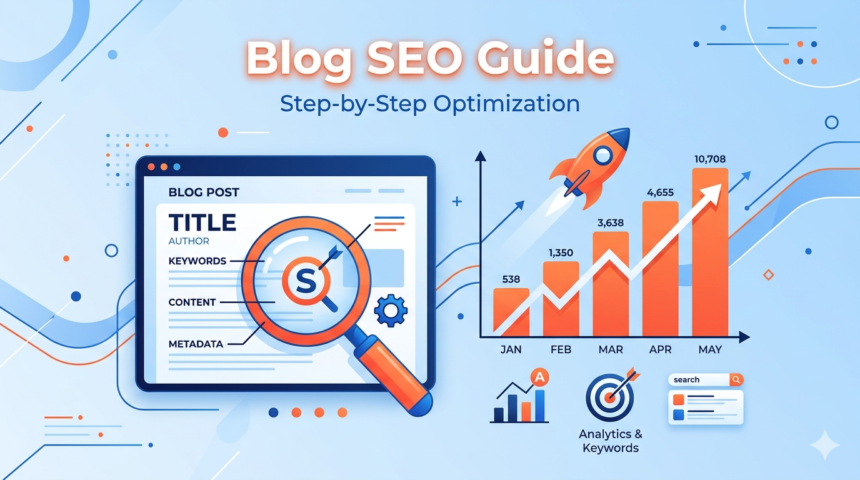
Search Engine Optimization (SEO) is the backbone of every successful blog website. Without SEO, even the best-written articles struggle to reach readers. This Blog SEO Guide will help you understand how search engines work and how you can optimize your blog to get higher rankings, more traffic, and better visibility.
Whether you are starting a new blog or improving an existing one, applying the right SEO strategy can completely change your results.
What is SEO in Blogging?
SEO (Search Engine Optimization) is the process of improving your blog so it appears higher in search engine results like Google. When someone searches for a topic, Google decides which pages to show first based on relevance, quality, and authority.
If your blog follows strong SEO practices, your chances of ranking increase significantly. That is why this Blog SEO Guide is important for every blogger.
Why SEO is Important for Blog Websites
Most traffic on blog websites comes from search engines. If your blog is not optimized, you may never get organic visitors.
SEO helps you:
- Get free traffic from Google
- Reach targeted readers
- Build authority in your niche
- Increase blog income through ads, affiliate marketing, and digital products
- Grow your website long term
Without SEO, even high quality content often remains unseen.
Keyword Research: The Foundation of SEO
Keyword research is the first step in any Blog SEO Guide strategy. Keywords are the terms people type into Google.
To succeed, you should focus on:
- Low competition keywords
- Long tail keywords
- High search intent keywords
Instead of targeting broad keywords like “blog” or “SEO”, choose more specific ones such as:
- how to start a blog for free
- blog SEO tips for beginners
- best blogging platform for students
These are easier to rank and attract more targeted traffic.
On Page SEO Optimization
On page SEO means optimizing the content inside your blog posts. This is one of the most important parts of this Blog SEO Guide.
Key on page SEO elements include:
1. Title Optimization
Your blog title should include your main keyword and be attractive enough to get clicks.
2. Headings
Use headings to structure your content clearly. Google understands your content better when it is well organized.
3. Keyword Placement
Place your main keyword naturally in:
Title
First paragraph
Subheadings
Conclusion
4. Meta Description
Write a short summary of 150 to 160 characters that encourages users to click your blog.
High Quality Content is King
Even the best SEO strategy will fail if your content is low quality. Google prioritizes useful and original content.
To improve content quality:
- Write in simple language
- Solve real user problems
- Add examples and explanations
- Avoid keyword stuffing
In this Blog SEO Guide, remember that content should always come first and SEO comes second.
Technical SEO Basics
Technical SEO ensures that your blog website is easy for search engines to crawl and index.
Important technical SEO factors:
- Fast loading speed
- Mobile friendly design
- Secure website using HTTPS
- Clean URL structure
- Proper sitemap submission
If your blog is slow or broken on mobile, it will rank lower even with good content.
Internal and External Linking
Links help Google understand your website structure.
Internal Links
Link your blog posts to other related posts on your website. This improves navigation and keeps users longer on your site.
External Links
Link to trusted sources to improve credibility.
Using proper linking strategy is a key part of this Blog SEO Guide.
Backlinks: Building Authority
Backlinks are links from other websites pointing to your blog. They are one of the strongest ranking factors.
You can get backlinks by:
- Writing guest posts
- Sharing content on social media
- Creating valuable shareable articles
- Listing your blog on directories
The more quality backlinks you have, the more authority your blog gains.
User Experience Matters
Google now focuses heavily on user experience. If visitors leave your site quickly, your rankings may drop.
Improve user experience by:
- Using clean design
- Making content easy to read
- Adding images where needed
- Avoiding too many ads
- Ensuring smooth navigation
Good user experience increases engagement and improves SEO performance.
Consistency is the Key to Growth
SEO is not instant. It takes time to build rankings and authority. Posting regularly and updating old content is essential.
A successful blogger follows a consistent publishing schedule and keeps improving content over time.
Final Thoughts
This Blog SEO Guide shows that ranking a blog is not about tricks. It is about strategy, consistency, and quality.
If you focus on:
- Keyword research
- On page SEO
- High quality content
- Technical optimization
- Backlinks and user experience
Your blog will gradually grow in search rankings and attract steady organic traffic.
SEO is a long term game, but once your blog starts ranking, it can bring unlimited traffic and income opportunities.